Fall is the right time to protect your yacht before colder weather arrives. A complete boat winterization checklist can help reduce the risk of freeze damage, corrosion, moisture problems, and costly spring repairs.
Use this boat winterization checklist as a practical starting point, then follow your yacht manufacturer’s recommendations and work with qualified marine professionals when needed.
1. Start Your Boat Winterization Checklist Early
Do not wait for the first hard freeze. Begin your boat winterization checklist while temperatures are still mild enough to inspect systems, schedule service, and make repairs. Early preparation also gives you time to address worn hoses, weak batteries, minor leaks, or corroded fittings before storage.
2. Clean and Inspect the Yacht
Wash the hull and deck, remove salt and grime, clean stainless steel, and inspect teak, seals, hatches, and windows. Your boat winterization checklist should also include checking the hull for cracks, blisters, impact damage, or other concerns needing attention.
3. Prepare the Engine and Fuel System
Engine care is one of the most important parts of fall maintenance. Follow manufacturer instructions for oil changes, filters, fuel treatment, cooling systems, and related service.
Your boat winterization checklist should account for generators and other machinery that uses fuel, cooling water, or lubricants.
4. Protect Freshwater and Plumbing Systems
Water left in plumbing components can freeze and damage lines, pumps, tanks, fixtures, or water heaters. Drain and prepare freshwater systems according to manufacturer directions.
Add sinks, showers, heads, holding tanks, washdowns, and ice makers to your boat winterization checklist so no water-based system is overlooked.
5. Care for Batteries and Electrical Systems
Check battery charge levels, terminals, connections, and overall condition. Follow manufacturer recommendations for storage, charging, and disconnecting equipment.
A complete boat winterization checklist should also include turning off unnecessary electrical loads, checking wiring for corrosion, and removing portable electronics when appropriate.
6. Inspect Sails, Rigging, and Deck Hardware
Sailboats require seasonal care beyond engine maintenance. Inspect sails for wear, then store them clean and dry. Check standing and running rigging, blocks, winches, tracks, cleats, lifelines, and other deck hardware.
For owners interested in performance cruising, the Kufner 54 is a good example of a modern sailing yacht that benefits from consistent seasonal care. Adding rigging inspection to your boat winterization checklist can help identify maintenance needs before spring.
7. Control Moisture Inside the Cabin
Moisture can lead to mildew, odors, staining, and interior deterioration. Your boat winterization checklist should include cleaning the cabin, drying bilges and lockers, removing perishables, improving ventilation, and using marine-safe moisture-control products when appropriate.
8. Review Safety Equipment
Fall is a good time to inspect life jackets, fire extinguishers, flares, first-aid supplies, emergency signaling devices, and EPIRBs. Including safety gear in your boat winterization checklist makes spring commissioning easier and gives you time to replace expired or damaged equipment.
For additional seasonal preparation guidance, review the BoatUS winterization resources.
9. Choose the Right Winter Storage Plan
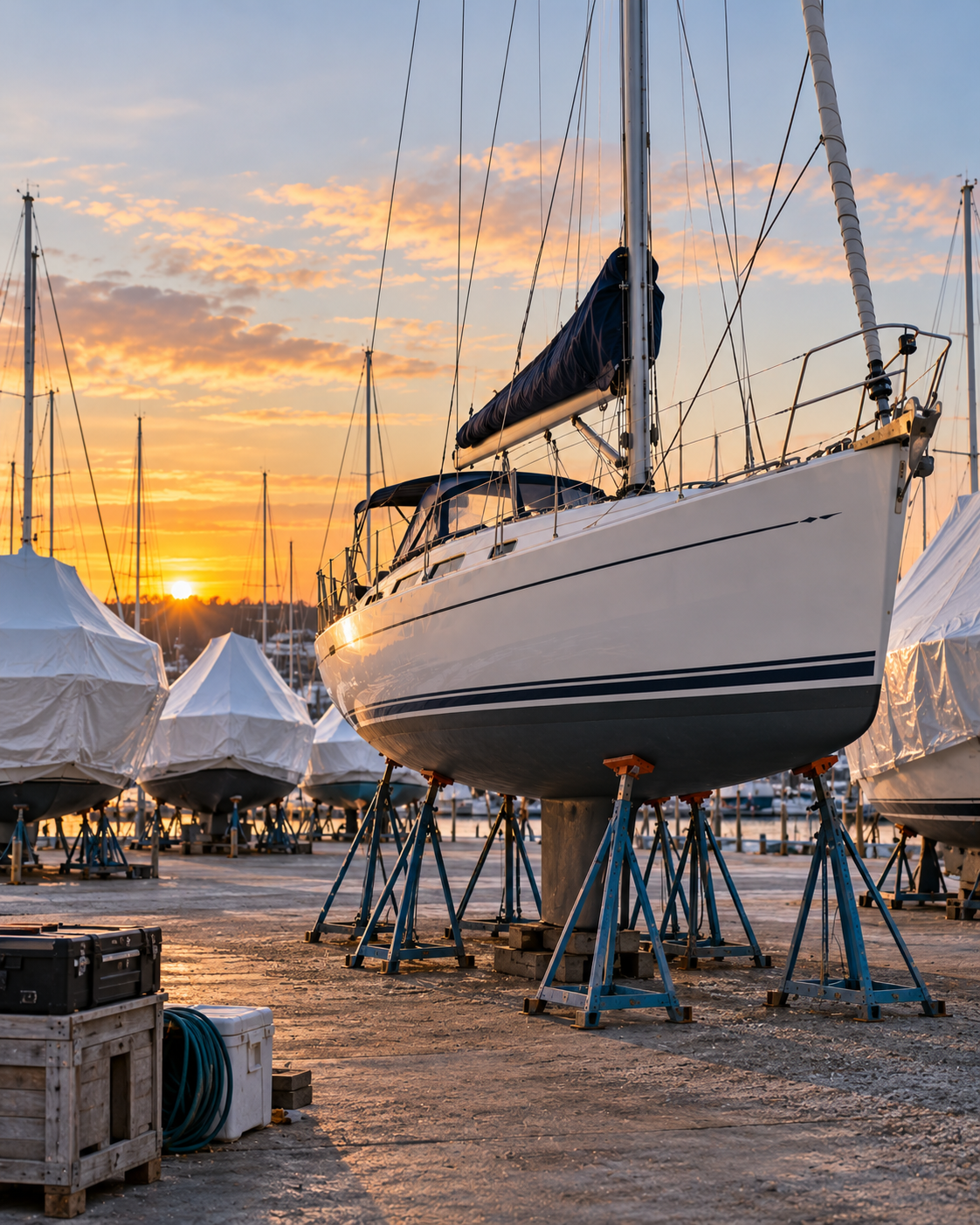
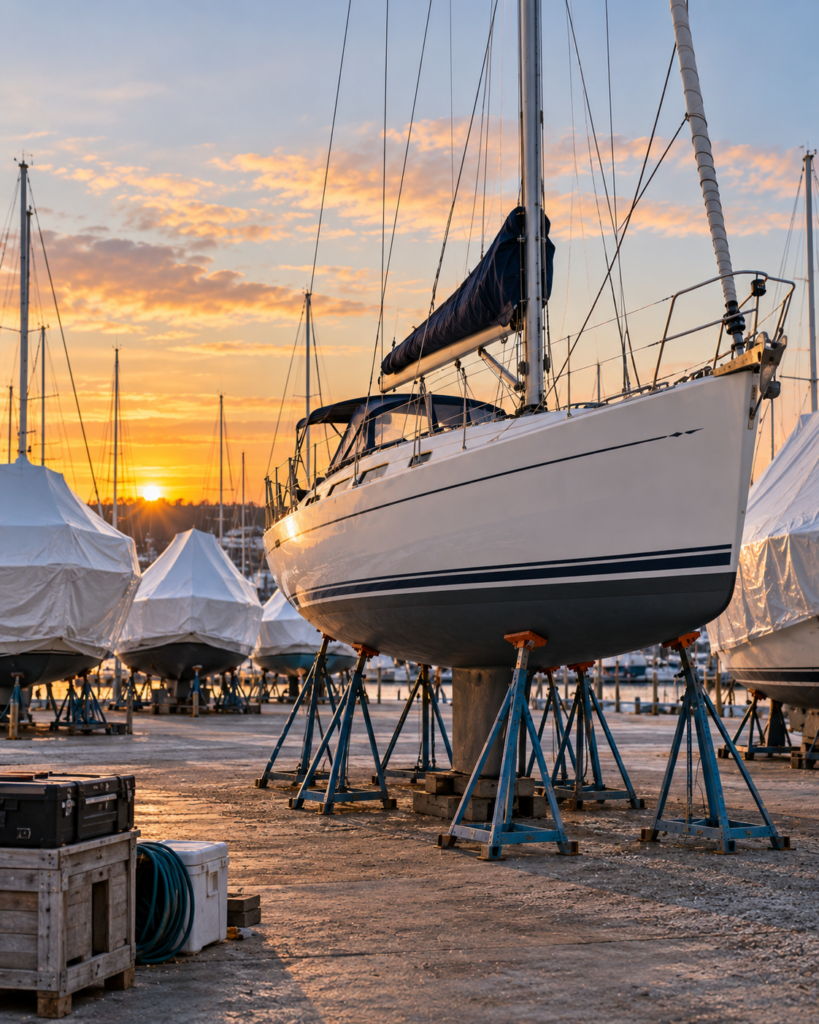
Storage needs vary based on climate, marina facilities, yacht size, and whether the vessel will remain in the water. Options may include wet storage, haul-out, indoor storage, outdoor storage, or shrink wrapping.
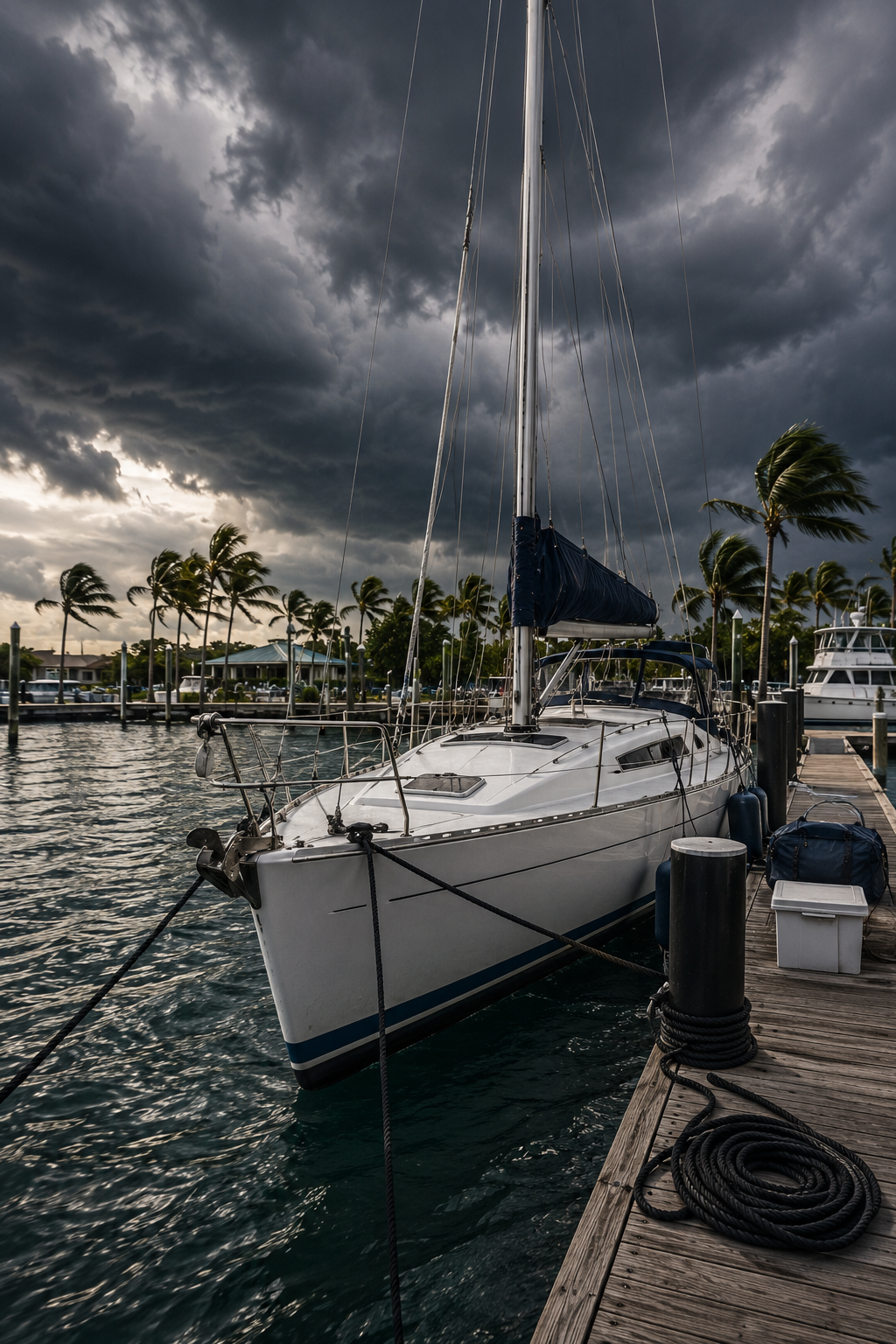
Your boat winterization checklist should also cover supports, covers, ventilation, shore power, dock lines, and winter access. Owners in Newport and Annapolis should pay close attention to freeze protection and storm exposure.
10. Finish Your Boat Winterization Checklist With Documentation
Take photos of the exterior, interior, machinery spaces, electronics, and rigging before storage. Save service records, receipts, and a list of repairs you want completed before launch.
Finish your boat winterization checklist by recording what was completed and what still needs attention. This creates a useful reference for winter inspections and spring preparation.
Boat Winterization Checklist FAQs
When should I winterize my yacht?
Begin before freezing temperatures become likely in your storage area. Timing depends on local weather, marina schedules, and whether your yacht is staying in the water or being hauled out.
Can I winterize a yacht myself?
Experienced owners may handle some tasks, but engines, generators, plumbing, refrigeration, and other complex systems may require professional service. Always follow manufacturer guidance.
Does a sailboat need different winterization?
Yes. Sailboats also need attention to sails, rigging, mast-related components, and deck hardware in addition to mechanical and plumbing systems.
Prepare for the Next Season With Kufner Yachts USA
Thoughtful winter preparation helps protect your yacht and makes spring commissioning easier. Use this boat winterization checklist as a seasonal planning tool, and review your boat winterization checklist again before storage is complete.
If you are exploring a new luxury sailing yacht, contact Kufner Yachts USA or call (609) 900-7682 to learn more about available models and ownership opportunities.