Choosing the right boat storage option is one of the most important decisions yacht and boat owners make, especially when considering long-term preservation, maintenance costs, and insurance requirements. Whether you store your yacht on land, in the water, or under shrink wrap, each option has advantages and drawbacks that can affect your vessel’s condition, safety, and coverage eligibility.
Below, we compare the most common boat storage options, explain how storage choices can influence insurance policies, and outline what owners should consider when planning for winter or off-season storage.
1. On-Land Boat Storage
Pros:
- Reduced exposure to water-related damage such as corrosion, blistering, and marine growth
- Easier access for inspections, maintenance, and repairs
- Often considered lower risk by insurers compared to in-water storage
Cons:
- Requires professional hauling, blocking, and proper support
- Poor blocking can cause hull stress or structural issues
- Outdoor storage may still expose the vessel to UV damage if not covered
On-land storage is a common choice for winter storage, particularly in colder climates. Storing a boat out of the water helps limit risks associated with freezing temperatures, sinking, and storm surge. From an insurance standpoint, many policies favor dry storage during the off-season, provided the vessel is stored at a secure, professionally managed facility.
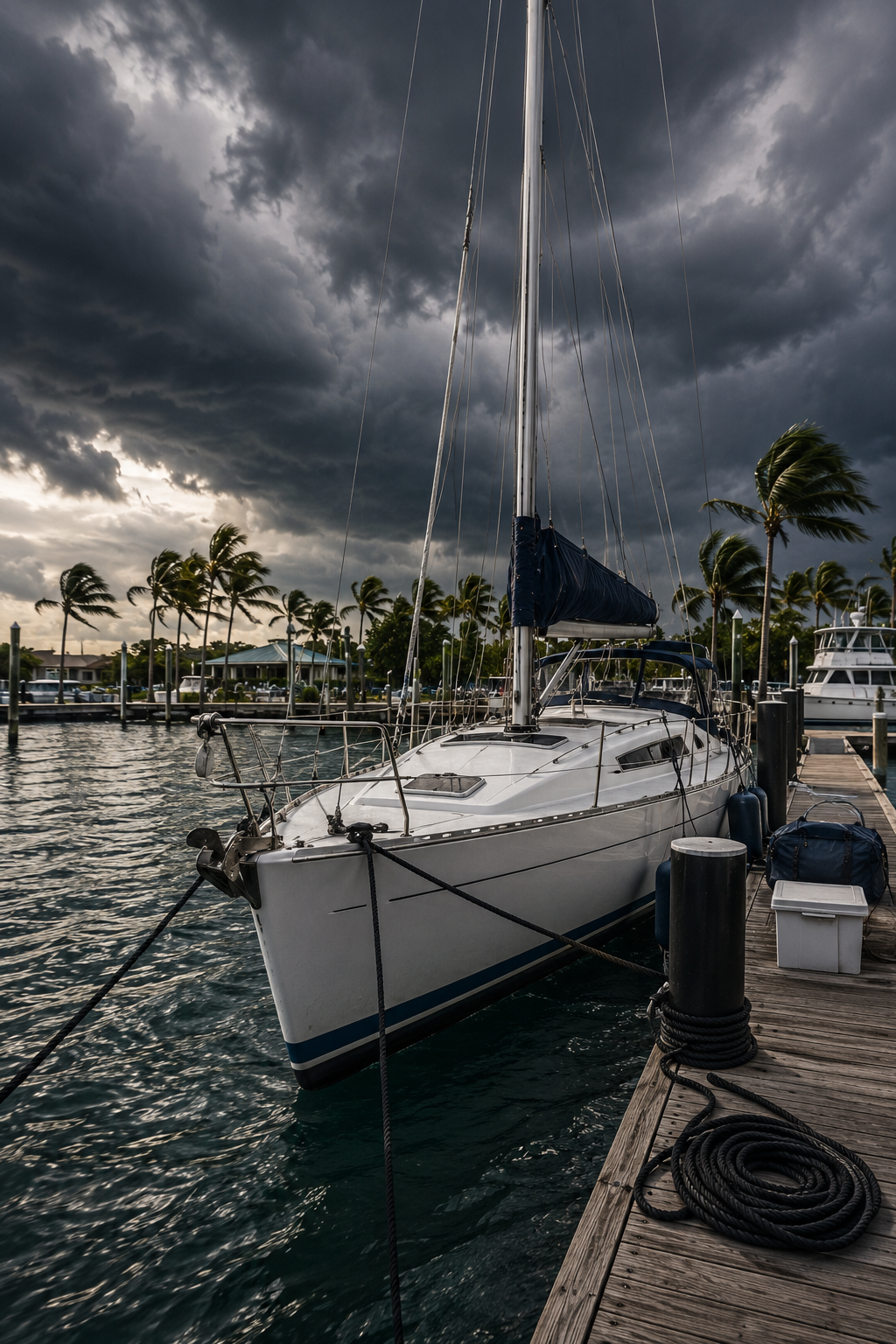
2. In-Water Boat Storage
Pros:
- Convenient for year-round access and frequent use
- Eliminates haul-out and blocking costs
- Well-suited for regions with mild winters
Cons:
- Greater exposure to storms, flooding, and wave action
- Increased wear on hulls, running gear, and underwater systems
- Insurance policies may include higher deductibles or seasonal restrictions
In-water storage offers convenience, but it typically carries a higher risk. Many insurance policies include specific requirements during hurricane season or winter months, such as mandatory haul-outs or storm preparation plans. Owners should carefully review policy terms to ensure compliance, as failure to meet storage conditions can affect coverage.
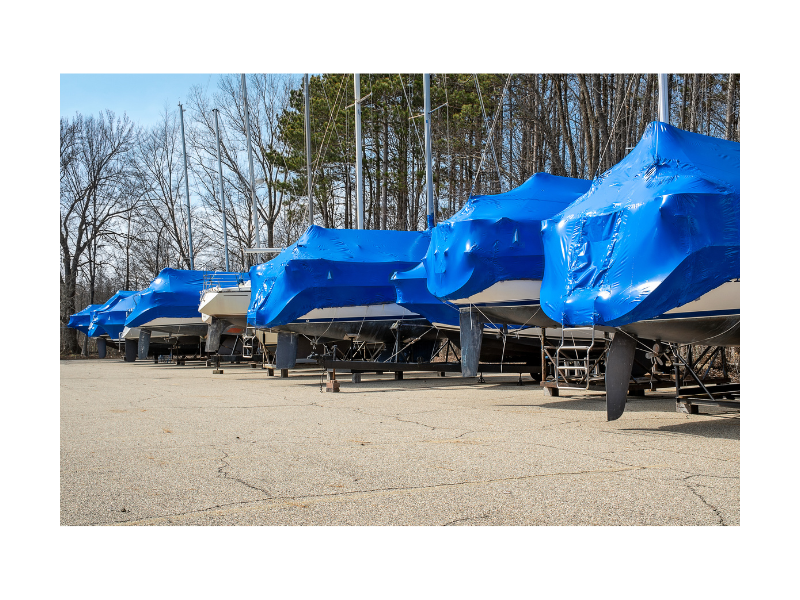
3. Shrink-Wrapped Boat Storage
Pros:
- Protects against snow, ice, debris, and UV exposure
- Helps keep interiors dry when properly vented
- Can be used in combination with on-land or yard storage
Cons:
- Requires professional installation to avoid trapped moisture
- Additional cost beyond standard storage fees
- Environmental considerations if wrapping materials are not recycled
Shrink wrapping is widely used for winter boat storage and is generally accepted by insurers when done correctly. Proper ventilation is critical to prevent mold and mildew, which can lead to interior damage. Many owners choose professional shrink wrapping to ensure consistent coverage and proper installation.
How Boat Storage Affects Insurance Coverage
Boat storage decisions play a key role in insurance underwriting and claims outcomes. Insurers typically evaluate:
- Where the boat is stored (marina, private property, commercial yard)
- Exposure to weather, storms, and flooding
- Security measures such as fencing, surveillance, and access control
- Compliance with seasonal lay-up or haul-out requirements
Not meeting storage conditions outlined in an insurance policy can result in denied claims or reduced coverage. Reviewing policy details before selecting a storage option helps avoid costly surprises.
Choosing the Right Winter Storage Facility
Selecting a storage facility involves more than finding available space. Boat owners should consider:
- Experience handling vessels of similar size and construction
- Proper blocking, cradling, and support systems
- Drainage, elevation, and wind protection
- Facility security and liability coverage
A well-maintained storage facility can reduce risk, support proper preservation, and align with insurance expectations during the off-season.
DIY Storage Prep vs. Professional Services
DIY Storage Preparation Often Includes:
- Winterizing engines, plumbing, and onboard systems
- Removing electronics, soft goods, and valuables
- Cleaning and fuel stabilization
Professional Services May Include:
- Manufacturer-recommended winterization procedures
- Documentation that supports insurance compliance
- Reduced risk of missed steps that could lead to damage
While DIY preparation may lower upfront costs, professional services often provide added peace of mind and help protect both the vessel and its coverage status.
There is no single best boat storage solution for every owner. Climate, usage patterns, vessel size, and insurance requirements all play a role. By weighing the pros and cons of each storage option and understanding how storage affects insurance coverage, boat owners can make informed decisions that protect their investment year-round.
Ready to plan the right storage strategy for your yacht? Contact Kufner Yachts USA to get expert guidance—or call (609) 900-7682 to speak with a knowledgeable team member today.